


Table of Contents
1 Information of Minecraft 1.26.332 What is Minecraft 1.26.33 APK?3 Main Features of Minecraft 1.26.33 APK3.1 Building, Crafting, and Resource Gathering3.2 Survival and Creative Game Modes3.3 Custom Content and Improved Block Rendering4 Gameplay and Progression4.1 Starting a New World4.2 Tools, Inventory, and Redstone4.3 Long-Term Worlds5 Multiplayer and Community Content5.1 Playing With Other People5.2 Maps, Skins, Texture Packs, and Add-Ons6 Advantages and Limitations6.1 Where Minecraft Works Well6.2 Things to Keep in Mind
What is Minecraft 1.26.33 APK?
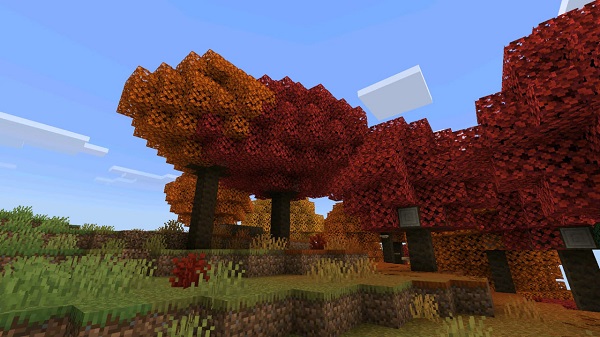
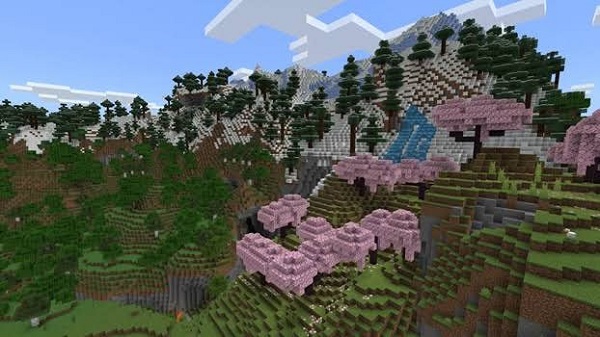
Minecraft 1.26.33 APK is an Android sandbox game built around gathering resources, crafting tools, constructing structures, and exploring block-based worlds. Rather than following a fixed campaign, players decide what they want to create, where they want to travel, and how they want to develop each world.
The game supports very different play styles. Survival Mode focuses on collecting materials, preparing food, crafting equipment, managing health and hunger, and dealing with hostile creatures. Creative Mode removes most survival pressure and provides abundant resources, flight, and faster building tools for players who prefer construction and experimentation.
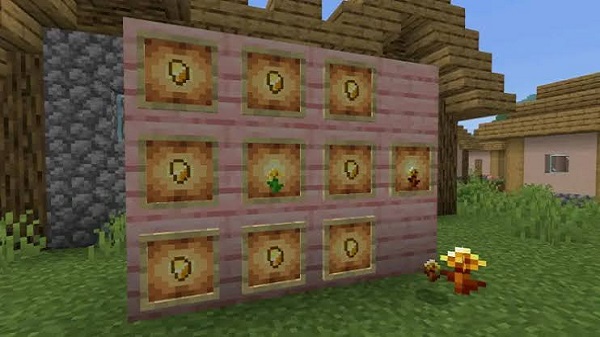
This release also addresses texture bleeding affecting certain custom blocks that use automatic UV assignment with undersized textures. The correction is especially relevant to add-on creators and worlds containing custom decorative blocks, furniture, machines, panels, and other community-made assets.
Main Features of Minecraft 1.26.33 APK
Building, Crafting, and Resource Gathering
Blocks form the foundation of Minecraft. Players can collect wood, stone, ores, plants, and many other materials, then use them to create tools, equipment, decorative objects, and increasingly complex structures.
Construction can be as simple as a small shelter or as ambitious as a large castle, underground base, automated farm, village, or detailed city. Because blocks can normally be placed and removed freely, structures can be redesigned repeatedly as new ideas develop.
Survival and Creative Game Modes
Survival Mode gives resources practical value. Players gather materials before using them, upgrade tools, find food, build safe areas, and prepare for encounters with hostile mobs. Exploration also becomes part of progression because useful materials may be found underground, in distant terrain, or in dangerous areas.
Creative Mode is better suited to unrestricted building. Players receive broad access to blocks and items, can fly around the world, and can concentrate on architecture, terrain design, redstone experiments, or large community projects without spending time gathering every material first.
Advertisement
Custom Content and Improved Block Rendering
Minecraft supports a large ecosystem of maps, texture packs, skins, and add-ons. These resources can change visual styles, introduce custom creations, or provide specially designed worlds without replacing the basic building and exploration systems.
For creators using custom blocks, Minecraft 1.26.33 includes a targeted rendering correction. Small textures assigned automatically to block faces are kept within their intended UV boundaries, reducing unwanted pixels or visible seams from neighboring textures.
Gameplay and Progression
Starting a New World
A newly created Survival world usually begins with very few resources. Players can collect wood, craft basic tools, gather food, and establish a safe location before expanding into mining, farming, exploration, or larger construction projects.
There is no required path that every player must follow. Someone interested in architecture may spend most of their time building, while another player may search caves, collect rare materials, fight mobs, or travel long distances looking for interesting terrain.
Tools, Inventory, and Redstone
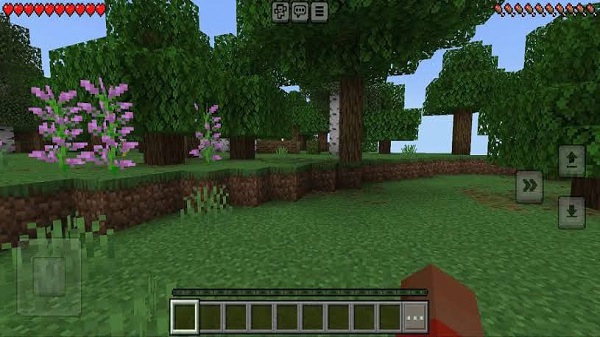
Collected items are stored in the inventory, while frequently used equipment can be placed in the hotbar for quick access. Tools such as pickaxes, axes, shovels, and weapons help players interact with different materials and situations more efficiently.
Redstone adds a technical layer to building. It can be used with components such as switches and mechanisms to create doors, traps, farms, transportation systems, lighting controls, and other automated constructions. Simple projects are accessible to casual players, while advanced redstone systems can become surprisingly elaborate.
Long-Term Worlds
Minecraft progression does not depend on completing a conventional list of missions. A world can gradually develop as the player creates farms, storage areas, transportation routes, villages, monuments, underground networks, or collaborative builds.
This open structure gives long-running worlds lasting value. Even after a major building project is finished, players can begin another project, travel to a different area, redesign existing structures, or add community-created content.
Advertisement
Multiplayer and Community Content
Playing With Other People
Multiplayer allows several players to build, explore, and survive in shared environments. Friends can cooperate on large buildings, divide resource-gathering tasks, create mini games, or simply maintain a common world together.
Online sessions depend on a suitable network connection. Minecraft also supports broader multiplayer options such as servers and Realms, giving players different ways to maintain shared spaces and meet other players.
Maps, Skins, Texture Packs, and Add-Ons
Community content significantly extends the life of the game. Custom maps can provide specialized environments or challenges, while texture packs change the appearance of blocks and items. Skins give players additional ways to personalize their characters.
Add-ons can introduce more extensive changes to world content and are particularly useful for players who enjoy experimenting with custom blocks and objects. The rendering correction in this release helps certain add-on assets with small textures display more cleanly.
Advantages and Limitations
Where Minecraft Works Well
Minecraft suits players who prefer creativity and experimentation over tightly scripted missions. Builders can focus on architecture, survival players can manage resources and hazards, and technically minded players can work with redstone or custom content.
The game is also flexible enough for short sessions and longer projects. A player might spend a few minutes gathering resources one day and several hours designing a castle, farm, railway, or multiplayer settlement another day.
Things to Keep in Mind
Large worlds, complex redstone systems, detailed add-ons, and numerous custom assets can place greater demands on a mobile device. Performance therefore varies depending on the complexity of the world and the hardware being used.
New players may also need time to learn crafting recipes, survival priorities, building techniques, and redstone concepts. Multiplayer relies on connectivity, while community content can vary substantially in complexity and design. These factors are part of Minecraft's open-ended structure, which rewards players who gradually learn its systems.
FAQs Minecraft 1.26.33
What is Minecraft 1.26.33 APK?
+
Minecraft 1.26.33 APK is an Android sandbox game that lets players build structures, gather resources, craft items, and explore randomly generated block-based worlds.
Is Minecraft 1.26.33 APK free to play?
+
Availability depends on where you download it. The official version normally requires a purchase, while APK files from third-party sources may have different distribution methods.
Can I play Minecraft 1.26.33 APK with friends?
+
Yes. The game supports multiplayer, allowing players to join shared worlds through local networks or online servers, depending on the version and settings.
What are the main features of Minecraft 1.26.33 APK?
+
The game includes Creative Mode, Survival Mode, crafting, mining, building, multiplayer support, customizable skins, redstone mechanics, and expandable content through add-ons.
Which Android devices can run Minecraft 1.26.33 APK?
+
Most modern Android devices with sufficient storage, memory, and a supported Android version can run the game, although smoother performance is generally achieved on newer hardware.
Discover More Interesting Games
-

X1 BOX Emulator
v1.3.1
6.1 MB
Updated -
Mod
Galaxy Attack Shooting Game
v76.6
354.09 Mb
Updated -
Mod
Evil Nun Rush
v1.0.3489
164.06 Mb
Updated -
Mod
Block Craft 3D
v4.9.1
238.32 Mb
Updated -
Mod
GD 2.209
vUnknow
178 MB
Updated -
Mod
Subway Princess Runner
v8.6.8
240.32 Mb
Updated -
Mod
Cooking Madness
v3.4.5
567.03 Mb
Updated -
Mod
Geometry Dash SubZero
v2.2.148
160.92 Mb
Updated -
Pizza Boy A Pro
v3.9.0
19.00 Mb
Updated -
Mod
Kooply Run
v2.197.1
247.17 Mb
Updated







Share Your Thoughts